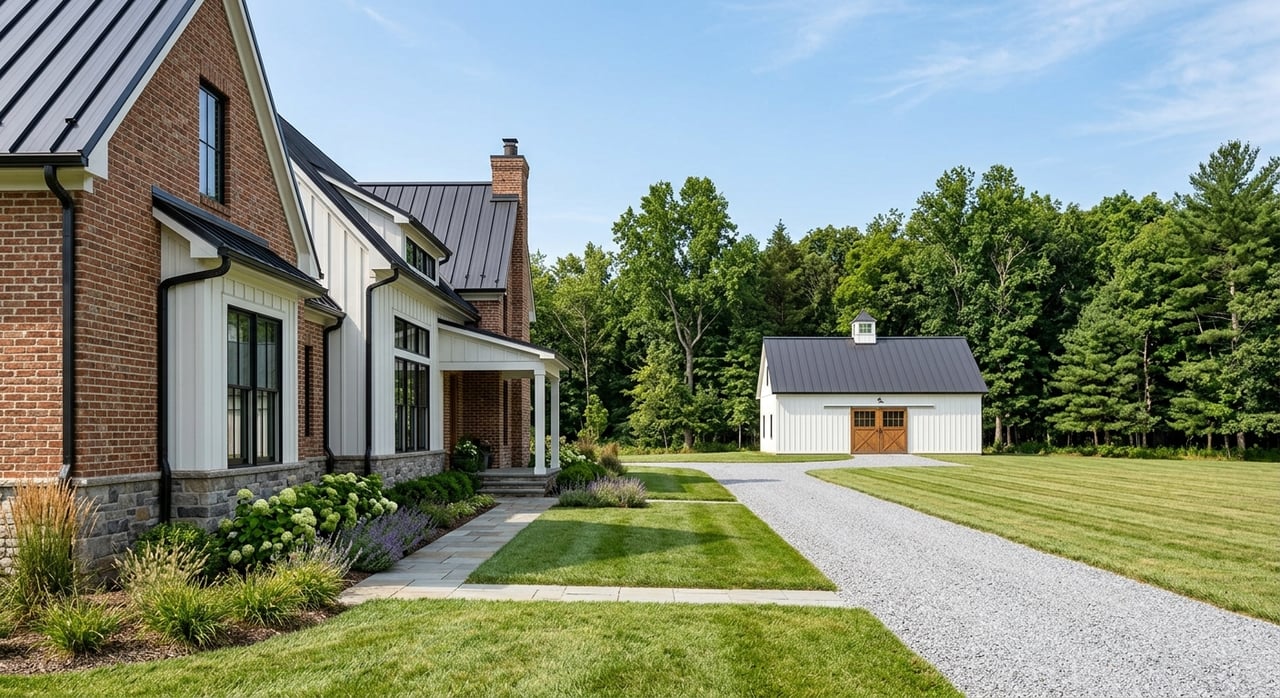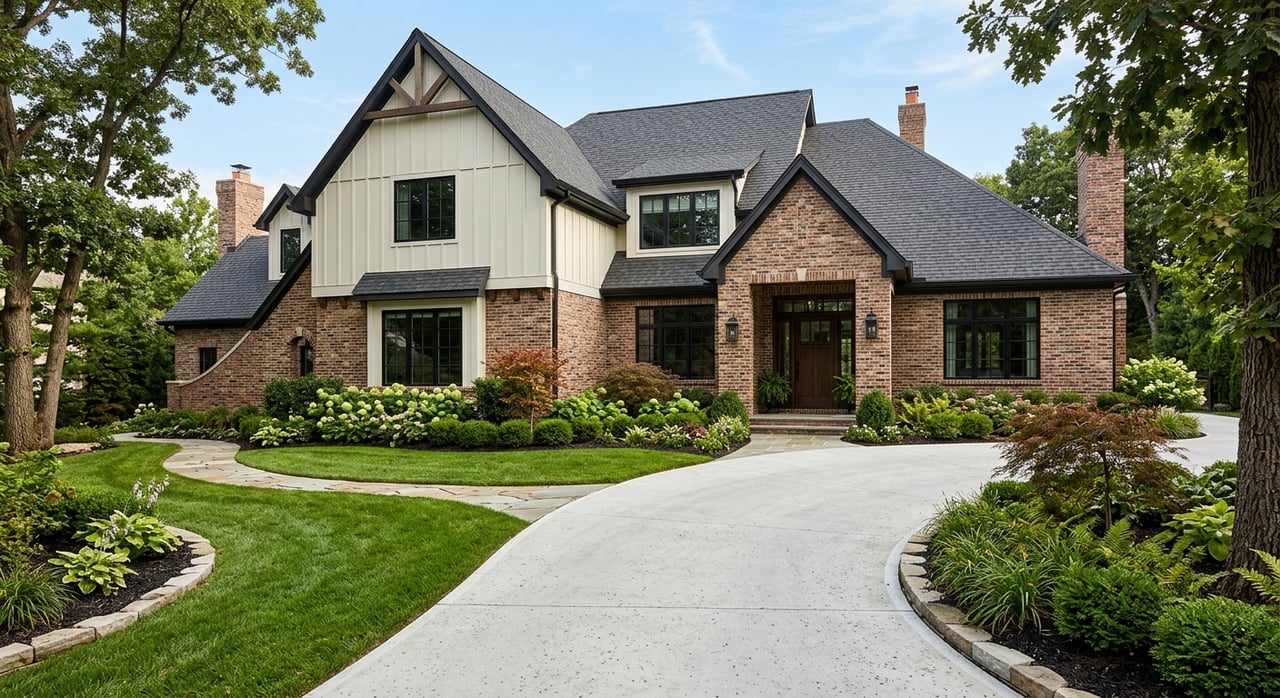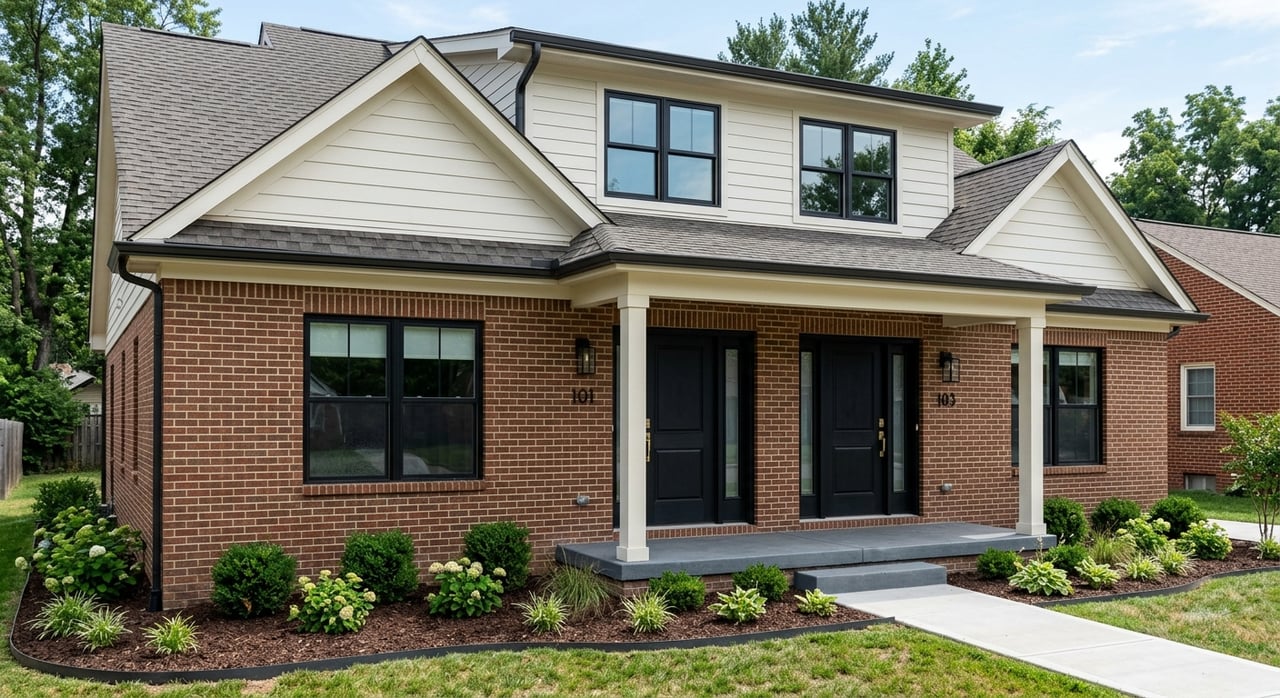
Looking for a duplex or fourplex in Logan County? You may already have noticed that this is not a market with endless apartment-style inventory or a steady stream of investor listings. That can feel frustrating at first, but it also means the right strategy matters more than chasing volume. In this guide, you’ll see what small multifamily deals tend to look like in Logan County, how the numbers can work, and why local market insight is so important before you make a move. Let’s dive in.
Logan County small multifamily at a glance
Logan County is a relatively small, low-density market with an estimated 28,669 residents and 11,005 households as of July 1, 2025. The county also has an owner-occupied rate of 74.3%, which helps explain why purpose-built rental inventory is not as common as it is in larger cities.
Only 35 building permits were issued in 2024, which points to limited new supply. In practical terms, that usually means small multifamily opportunities are thin, scattered, and more likely to appear as one-off listings instead of part of a deep pipeline.
For buyers, that creates a different kind of search. Instead of waiting for a large batch of similar properties, you may need to stay flexible, search county-wide, and evaluate each deal on its own merits.
What small multifamily looks like here
In Logan County, small multifamily generally means duplexes and fourplexes rather than large apartment complexes. Public listing snapshots support that pattern, with only a couple of active multifamily listings visible at a time and just a few units offered over the course of a month.
Recent examples help show the range. One visible listing was a newly built fourplex in Russellville priced at $750,000 with advertised rents of $1,175 per unit, while another was a duplex in Lewisburg priced at $175,000.
That wide spread matters. A small multifamily search in Logan County is less about finding a standardized product and more about comparing very different properties across different parts of the county.
Expect a county-wide search
Because inventory appears limited, you may need to cast a wider net than you would in a bigger metro. A deal in Russellville may look very different from one in Lewisburg, both in price and in rent potential.
That also means timing matters. When only a handful of properties come to market, buyers who are prepared can move more confidently when something promising appears.
Rent and price trends to watch
Recent market data points to a modest-rent environment paired with home prices in the mid-$200,000s. Redfin reported a March 2026 median sale price of $266,000 and 87 days on market, while Realtor.com showed a median listing price of $259,900, a median rental price of $825 per month, and 78 days on market.
HUD’s FY2025 Fair Market Rent for a two-bedroom unit in Logan County is $867 per month, effective June 1, 2025. Those figures give you a useful baseline when you are estimating potential rent and comparing it to a purchase price.
When you line up rents and prices, the margins can look thin for a pure investor purchase. Using $266,000 as a reference price, $825 per month works out to about a 3.7% gross annual rent-to-price ratio before expenses, and $867 per month is about 3.9%.
Why the math can feel tight
Those numbers do not automatically kill a deal, but they do mean you need to be realistic. In a market like Logan County, the strongest opportunities often come from a lower purchase basis, a property with room for improvements, or a setup where you live in one unit and rent the others.
That is especially relevant because the county’s median owner monthly cost with a mortgage is $1,355, while median gross rent is $751. For many buyers, that gap is exactly why a house-hack strategy becomes worth considering.
Why house-hacking stands out here
In Logan County, small multifamily may make the most sense when it helps you lower your own housing cost. If you buy a two-to-four-unit property, live in one unit, and collect rent from the others, that income may offset part of your monthly payment.
This approach can be especially attractive in a market where pure cash flow is not always strong on paper. Instead of viewing the property only as an investment, you can view it as a way to build ownership while reducing your out-of-pocket housing expense.
That does not mean every duplex or fourplex is a fit. You still need to look closely at rent levels, condition, vacancy risk, and financing requirements before deciding what works for your budget.
Financing options for 2-4 unit homes
One of the biggest misconceptions about small multifamily is that it is only for experienced investors. In reality, several loan options can work for owner-occupants buying one-to-four-unit properties.
FHA for owner-occupied small multifamily
HUD states that FHA 203(b) financing is available for principal residences with one to four units. HUD also says eligible borrowers may finance up to 96.5% of the purchase price, which is the standard 3.5% down shorthand many buyers recognize.
For a buyer trying to enter the market without a large down payment, that can be a meaningful path. It is one reason small multifamily is often a financing strategy as much as it is an investment strategy.
VA for eligible buyers
VA home loans can also be used for multifamily properties up to four units when the veteran occupies one of the units as a primary residence. For military buyers and veterans, that can make a house-hack plan especially appealing.
Given Market Masters Group’s experience serving military and cross-border buyers, this is an important option to evaluate if you are relocating near the Fort Campbell region and want to consider Kentucky opportunities.
Conventional options
Conventional financing can also work for two-to-four-unit primary residences. Fannie Mae says rental income from the subject property may be used in qualifying under its rules, but the rents must be documented and properly reported.
That documentation piece is a big deal. On a small multifamily purchase, assumptions about income need to match what underwriting will actually accept.
Why MLS insight matters in Logan County
In a market with very little public multifamily inventory, broad national averages can only tell you so much. Logan County appears to have a thin small multifamily pool, so each property’s actual unit mix, condition, occupancy, and rent history matter more than generic online estimates.
This is where MLS access and local guidance become valuable. A fuller view of active, pending, and sold properties can help you compare pricing, spot patterns, and avoid relying on incomplete portal snapshots.
Details matter more on small multifamily
Fannie Mae’s guidance for two-to-four-unit primary residences requires rental income documentation and reporting. It also relies on appraisal and reporting tied to the exact property type.
That means details like true unit count, current rent, lease status, and property condition can directly affect what a lender will consider. In a thin market, getting those details right early can save you time and help you avoid chasing a deal that does not hold up under underwriting.
How to evaluate a Logan County deal
When inventory is limited, it helps to keep your screening process simple and consistent. Focus on the basics first, then dig deeper once a property passes the initial test.
Here are a few smart questions to ask:
- How many units are legal and functional today?
- What are the current rents, and are they documented?
- How does the asking price compare with likely rent levels in that part of the county?
- Is the property better suited for owner-occupancy or for a pure investment play?
- Does the condition suggest immediate repairs or a value-add opportunity?
- How long has it been on the market compared with local norms?
You do not need every property to be perfect. You do need the numbers, financing path, and condition to make sense together.
A realistic outlook for buyers
Small multifamily deals do exist in Logan County, but this is not a market where you should expect high volume or effortless cash flow. The county’s size, owner-occupied housing mix, limited permit activity, and modest rent levels all point to a market where good opportunities tend to be selective rather than abundant.
That is why a practical mindset matters. The best fit may be a duplex or fourplex that helps you reduce your own housing cost, or a value-add property where careful improvements can improve the long-term picture.
If you are exploring this part of Kentucky, local guidance can make the process much clearer. Kim Weyrauch can help you search strategically, compare opportunities across county lines, and evaluate whether a small multifamily property fits your goals.
FAQs
What types of small multifamily properties show up in Logan County?
- Most visible opportunities appear to be duplexes and fourplexes rather than large apartment buildings, and inventory can be very limited at any given time.
How do rents compare with purchase prices in Logan County?
- Recent data suggests a mid-$200,000 price environment with median rents around $825 per month and a two-bedroom Fair Market Rent of $867, which can create thin gross margins for pure investor deals.
Is Logan County small multifamily better for investors or owner-occupants?
- Based on current rent and price levels, many buyers may find the strongest fit in a house-hack or value-add strategy rather than a high-yield passive rental approach.
Can you use FHA on a Logan County duplex or fourplex?
- Yes. HUD says FHA 203(b) financing is available for principal residences with one to four units, subject to borrower and property eligibility.
Can VA financing work for small multifamily in Logan County?
- Yes. Eligible buyers can use a VA loan for up to four units if they occupy one of the units as their own residence.
Why is MLS data important for Logan County multifamily buyers?
- In a thin market, MLS data can give you a fuller picture of active, pending, and sold properties and help verify details like rents, occupancy, and unit count before underwriting.