Thinking about selling your Lyon County home but not sure where to start? You are not alone. Between disclosures, septic records, and making the house shine for photos, it can feel like a lot. This checklist walks you through what to do, fix, and file so you can list with confidence and avoid delays at closing. Let’s dive in.
Know your legal musts in Kentucky
Complete the Kentucky seller disclosure
You must provide a Seller’s Disclosure of Property Condition when you list a single-family home in Kentucky. Work with your agent to complete the state standard KREC form and keep a signed copy for your file. You can review the form and guidance on the Kentucky Real Estate Commission site in the official Seller’s Disclosure of Property Condition PDF.
Check the lead-based paint rule if the home is older
If your home was built before 1978, federal law requires you to give buyers the EPA/HUD lead paint pamphlet and complete a lead-based paint disclosure. If you have any inspection or abatement records, gather those too. You can read the requirements on the EPA’s page for seller disclosure of lead-based paint hazards.
Gather septic system records
Many Lyon County homes use private septic systems. Kentucky’s on-site sewage rules set standards for permits and final inspections through local health departments. Locate any septic permits, site evaluations, and final inspections you have. If records are missing or the system is older, consider a professional septic evaluation and service history to reassure buyers. Review the on-site sewage regulation in 902 KAR 10:085 on the state site for context: Kentucky onsite sewage rules.
Collect private well information
If your property uses a private well, gather the well log, the driller’s name and certification number, and any water test results. Kentucky regulates well construction and driller certification under 401 KAR. You can see the construction standards here: Kentucky well construction standards.
Verify flood risk and insurance details
With Barkley Lake, Kentucky Lake, and Land Between the Lakes nearby, flood considerations matter. Check your property on FEMA’s Map Service Center to see if it sits in a Special Flood Hazard Area and note any elevation or insurance details. Disclose known flood history and any current flood insurance policy to buyers. Start with the FEMA flood map search tool.
Prep that protects value
Tackle safety and system issues first
Fix or verify key safety items before you list. Confirm smoke and carbon monoxide detectors work. Address active roof leaks, visible water intrusion, and obvious electrical, plumbing, or HVAC failures. These are common inspection red flags that can stall deals. If you want fewer surprises, a pre-listing inspection can help you prioritize repairs and reduce renegotiation later.
Do high return touch-ups
Small updates have a big impact on photos and showings:
- Declutter and depersonalize to highlight space and storage.
- Apply fresh neutral paint in high-wear areas.
- Tighten or replace door and cabinet hardware.
- Replace torn screens, ensure every bulb works, and clean exterior windows well.
Boost curb appeal
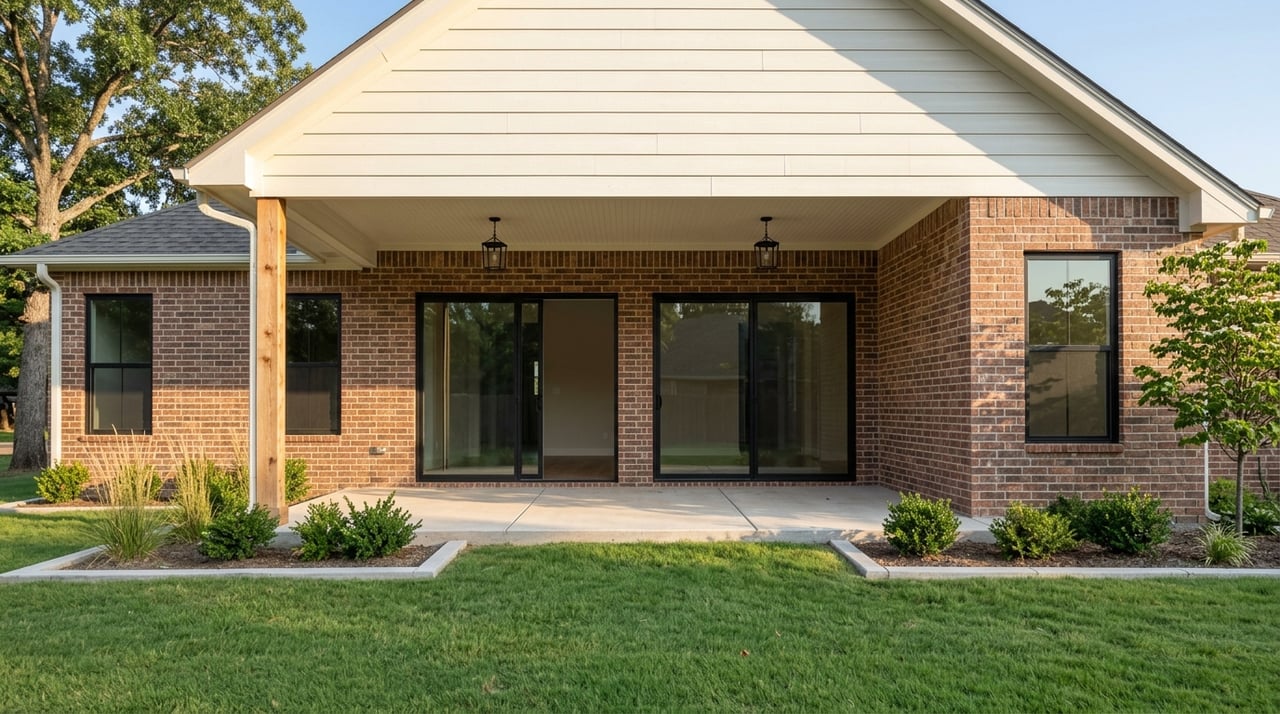
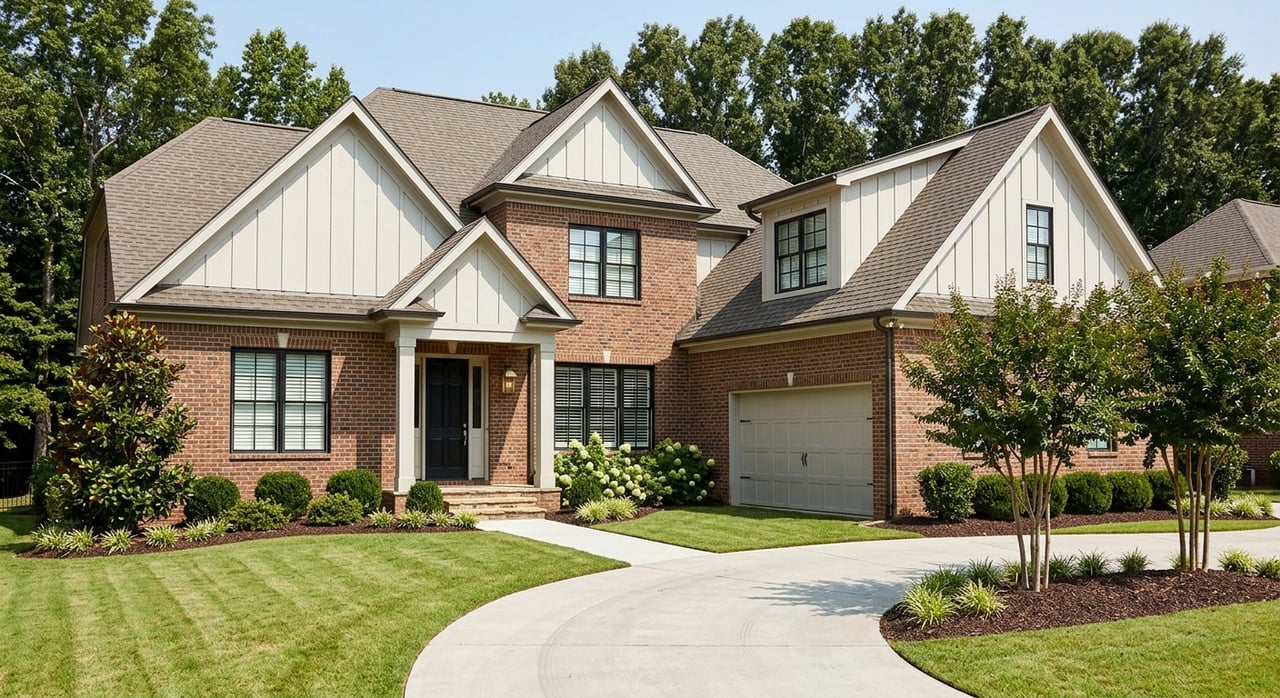
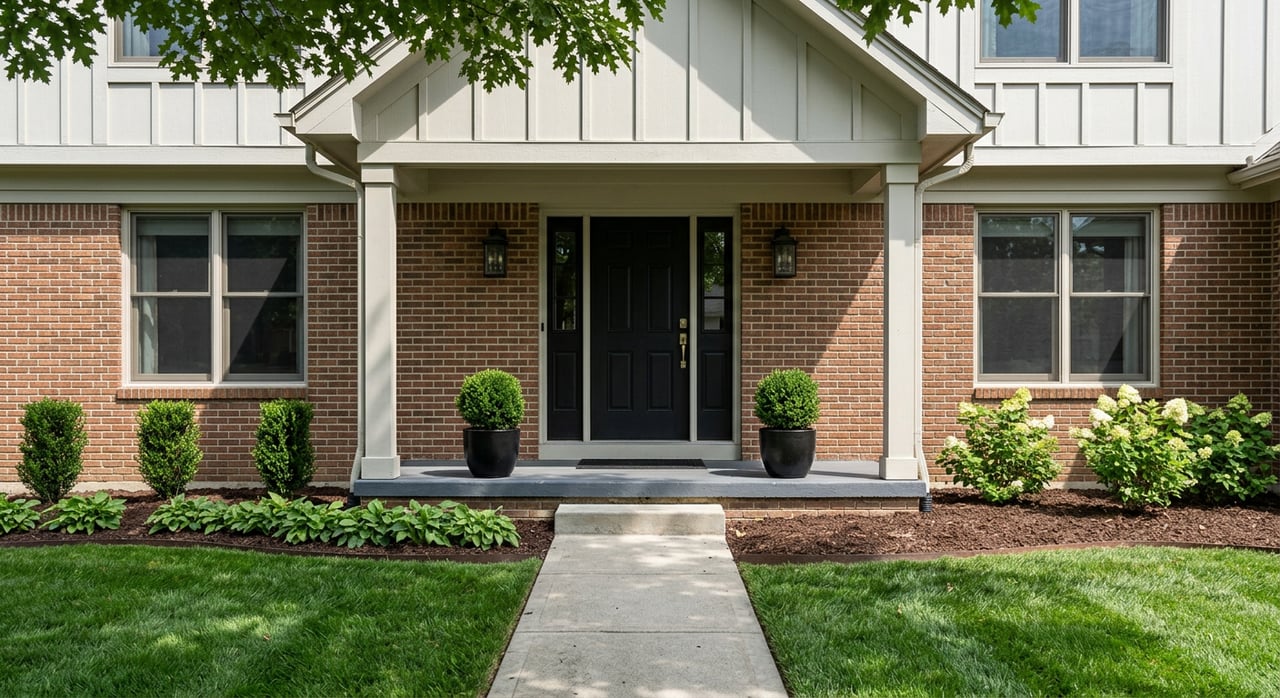
First impressions start at the street. Mow and edge, trim shrubs, add fresh mulch, and power-wash the porch and walkways. A clear, tidy entry helps buyers connect with your home online and in person.
Provide septic and well confidence
If your property is on septic or a private well, buyers often ask for documentation. Having permits, logs, and recent service or water tests ready can support a smoother offer and inspection period.
Elevate presentation and marketing
Stage high-impact rooms
When budget is limited, focus on the living room, kitchen, and primary bedroom. Industry reporting shows staging often shortens time on market and can support stronger offers. For context on outcomes, see RealTrends’ round-up on how home staging helps reduce days on market.
Invest in professional photos and a floor plan
Online presentation drives showings. Schedule professional photography after cleaning and staging so rooms look bright and inviting. Request at least 15 to 20 images plus outdoor shots. Adding accurate room measurements and a simple floor plan helps buyers pre-qualify your home before they tour.
Time your shoot for great light
Aim for daytime photos with natural light. If you have lake views or a standout exterior, consider a second short session to capture sunset or early morning light.
Gather your records and documents
Prepare a simple folder or cloud drive with copies of key items for your agent and prospective buyers:
- Completed Kentucky Seller’s Disclosure of Property Condition (KREC form). Keep it signed and dated. Access the form here: KREC seller disclosure PDF.
- Deed and recorded documents. Start with the Lyon County Clerk for recording details like book and page or instrument number.
- Recent property tax bill and parcel information from the Lyon County PVA. This helps with pricing and your estimated net.
- Survey or plat, if available. If not, note whether a new survey can be ordered through your title company.
- Building permit history and any certificates of occupancy for additions or renovations. Your city or county building office can confirm what exists in the record.
- Septic permits, site evaluations, and repair or upgrade documents. See the state overview of onsite sewage rules.
- Well log and driller certification details, plus any recent water test results. Review Kentucky’s well construction standards.
- Utility providers and recent bills. Confirm whether your property uses municipal water or a private well. Many addresses in the county are served by Eddyville Water Department or Lyon County Water District. List provider names for water, sewer, electric, gas, and broadband.
- Warranties, receipts, and contractor invoices for recent repairs and major systems like roof, HVAC, structural work, termite treatment, and appliances.
- HOA or POA documents if applicable, including covenants, bylaws, dues, and recent statements.
Lyon County specifics to verify
Lake access, docks, and flood zones
If your property is lakefront or near-lake, confirm any shoreline or dock rules that apply, as well as flood history and flood insurance status. Use FEMA’s map tool to verify base flood elevations or whether your parcel is in a Special Flood Hazard Area.
Septic and well prevalence in rural areas
Many rural parcels rely on private septic and wells, which makes permits and logs especially important. If you cannot locate septic permits locally, contact county offices for guidance or the Kentucky Department for Public Health. The Lyon County Clerk and PVA pages are good starting points for records and local contacts.
A practical pre-listing timeline
6 to 8 weeks before listing
- Choose your listing agent and order a comparative market analysis for pricing.
- Complete the KREC Seller’s Disclosure with your agent.
- If desired, order a pre-listing inspection to plan repairs.
- Locate septic, well, survey, and permit records.
- Schedule any major repairs that could slow a buyer’s loan or appraisal.
3 to 4 weeks before listing
- Finish high-priority repairs like roof leaks or electrical issues.
- Deep clean, declutter, and start curb appeal work.
- Begin your staging plan and purchase any simple updates like hardware or light bulbs.
1 to 2 weeks before listing
- Install staging touches and finalize room measurements and a floor plan.
- Schedule professional photography in good daylight.
- Assemble your marketing and disclosure packet, including permits and warranty receipts.
- Share the pre-inspection report with your agent if you obtained one.
Listing day
- Make the home photo-ready and remove personal items and valuables.
- Confirm the entry plan and lockbox details with your agent.
- Ensure your seller disclosure and key records are ready to share with buyers.
Quick seller checklist
- Confirm the home’s build year and follow the lead-paint rule if built before 1978. Review the EPA lead disclosure page.
- Complete and sign the Kentucky Seller’s Disclosure using the KREC form.
- Locate the deed, survey, PVA parcel and tax bill, and any recorded permits via the Lyon County Clerk and Lyon County PVA.
- Find the septic permit and final inspection or schedule a septic inspection if your system is older. See Kentucky’s onsite sewage rules.
- Gather the well log, driller name, and recent water test results if on a private well. Review well construction standards.
- Check safety and major systems or consider a pre-listing inspection to reduce surprises.
- Declutter, deep clean, and complete curb appeal tasks.
- Stage key rooms and order professional photos and a basic floor plan. For outcomes, see RealTrends on staging.
- Verify FEMA flood maps and disclose any known flood history or active flood insurance using the FEMA map search.
Ready to list with confidence?
You do not have to navigate disclosures, septic records, and marketing decisions alone. If you want a smooth, top-of-market sale in Lyon County, partner with a local team that knows Kentucky regulations, lake-area nuances, and what buyers expect. Connect with Kim Weyrauch to plan your pricing, prep, and launch timeline.
FAQs
What documents do I need before listing a home in Lyon County?
- Start with the Kentucky Seller’s Disclosure, deed and recorded documents, recent PVA tax information, any survey or plat, building permits, septic and well records, utility provider details, warranties, and HOA documents if applicable. Use the Lyon County Clerk and Lyon County PVA as primary local sources.
How do I check if my Barkley Lake property is in a flood zone?
- Search your address on FEMA’s Map Service Center to see your flood designation and base flood elevation, then discuss insurance with your agent and insurer. Start here: FEMA flood map search.
I cannot find my septic permit. What should I do before listing?
- Contact local county offices and the health department for records, and consider a professional septic evaluation if documentation is missing or the system is older. Kentucky’s onsite sewage rules explain permitting standards.
My home was built before 1978. What lead disclosures apply?
- Federal law requires you to provide the EPA/HUD pamphlet and complete a lead-based paint disclosure. Include any prior inspection or abatement records you have. See the EPA lead disclosure requirements.
When should I schedule staging and photos for my Lyon County listing?
- Plan staging after deep cleaning and minor touch-ups, then schedule professional photos in bright daylight 1 to 2 weeks before going live. Include a basic floor plan and room measurements to help buyers pre-qualify your home online.