Selling a mini-farm or small acreage in Todd County is different from selling a house on a standard lot. Buyers are not just looking at square footage and curb appeal. They are also asking how the land lays, how it can be used, and whether the property is set up for the kind of rural lifestyle they want. If you are getting ready to sell, a little preparation can make your property easier to understand and more appealing to serious buyers. Let’s dive in.
Know what you are really selling
In Todd County, acreage often carries value beyond the home itself. The county has 551 farms and more than 187,000 acres in farms, with a mix of crop and livestock activity that shapes how buyers look at land. That means your property should be presented as usable rural land, not just a house with extra space.
A buyer will likely want to know how much of the acreage is actually functional. They may be comparing pasture, cropland, woodland, garden space, or open ground for equipment and animals. The clearer you are about what the land offers, the easier it is for buyers to picture themselves using it.
Break down each land area
Todd County farmland is not all used the same way. USDA data shows large portions of farm acreage in the county are used for cropland, woodland, and pastureland. That makes it important to describe your property in sections instead of treating it as one generic tract.
If your acreage includes more than one use, spell that out in your marketing. For example, note where the pasture begins, where the woods sit, whether there is hay ground, and whether any area stays wet. This gives buyers a more accurate picture and helps reduce confusion during showings.
Identify usable acreage
Not every acre serves the same purpose. Some land may be open and ready for grazing or gardening, while other areas may be wooded, sloped, or harder to access. A strong listing helps buyers understand which parts are likely to be most practical for day-to-day use.
Describe special features clearly
If you have a pond, creek area, fenced paddock, feed area, or equipment storage space, include it in your preparation notes. Small details matter on rural property. Buyers often make decisions based on function as much as appearance.
Check access before you list
Access is one of the first things rural buyers notice. In Todd County, the Road Department handles road maintenance and the installation of road tiles and culverts on county roadways. Before your property goes live, it is smart to confirm that the driveway entrance, culvert, and roadside access are in solid condition.
A buyer with a truck, trailer, or farm equipment will also look at how easy it is to get in and out. If there is a gate, a turn-around area, or extra room to maneuver, make sure that is visible and easy to explain. Good access can make a property feel more usable from the first visit.
Look at the entrance experience
Start at the road and work inward. Ask yourself what a buyer sees first and whether the approach feels practical and well cared for. A clean entrance, visible driveway lines, and a clear path to the home and outbuildings can improve the overall impression.
Be honest about barns and outbuildings
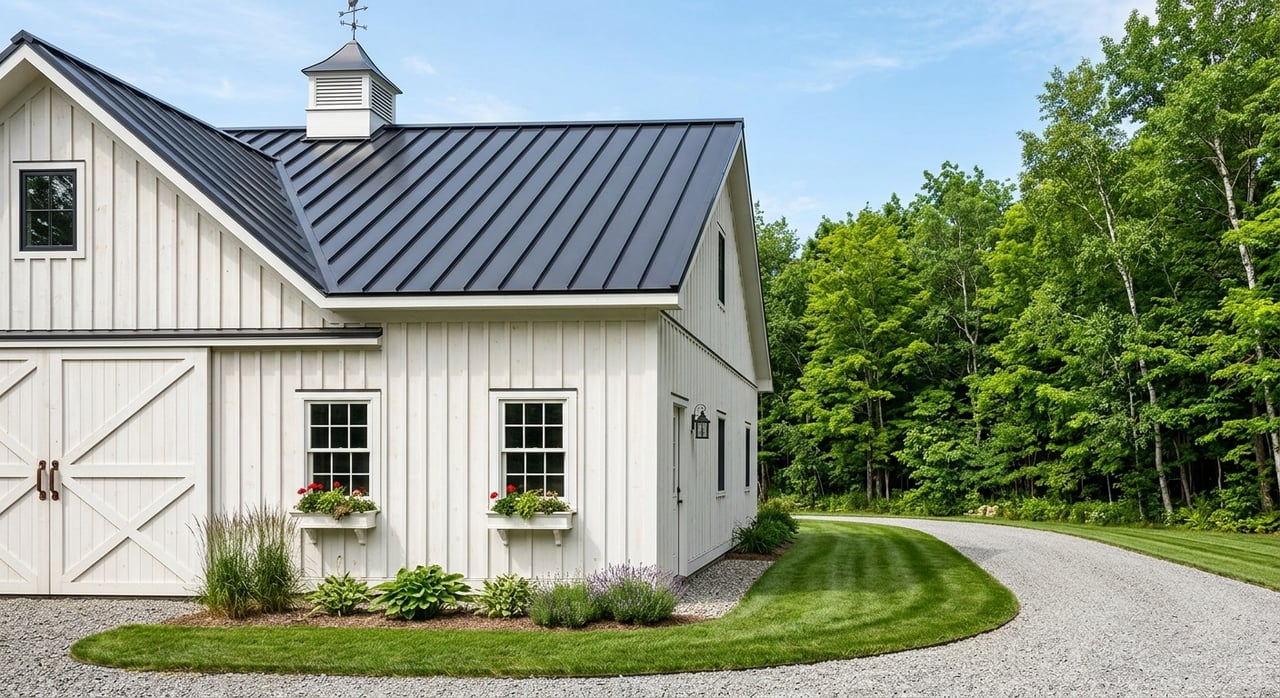
Mini-farm buyers usually pay close attention to structures beyond the house. That can include a barn, shop, chicken house, run-in shed, tack room, fencing, or water setup. These features can add interest, but only if buyers understand their current condition.
Your listing should clearly state whether each feature is functional, partially functional, or in need of repair. That kind of clarity is more helpful than broad phrases like “farm-ready.” It also helps build trust with buyers who need realistic information before they schedule a showing.
Make a simple property checklist
Before listing, walk the property and note the condition of:
- Barns and sheds
- Fencing and gates
- Water access points
- Equipment storage areas
- Feed or tack spaces
- Chicken houses or animal shelters
- Drive lanes and turn-around space
This gives you a practical reference when preparing your marketing and answering buyer questions.
Use photos that tell the full story
Acreage listings need more than one pretty exterior shot. In Todd County, buyers are likely to judge a property by what it can support, not just how it looks from the house. Your photo plan should help them understand layout, access, and land use.
A strong set of listing photos usually moves from the road to the interior of the property. That means showing road frontage, the driveway, entrance gates, turn-around areas, outbuildings, and then separate land-use areas like pasture, hay ground, garden space, woods, ponds, or storage areas.
Focus on function, not just scenery
Wide shots are helpful, but they are not enough on their own. Buyers also want close, practical views that show how the property works. Clear visuals of fencing, barn doors, gate openings, and field condition can answer important questions before a buyer even visits.
Consider a current soil test
If your property includes pasture or garden space, a current soil test can add useful support to your listing. University of Kentucky soil lab guidance explains that soil testing measures nutrient and acidity levels so fertilizer and lime recommendations can be made. That kind of information can help a buyer better understand the land’s condition.
Samples should be submitted through the county extension office so an Extension Agent can help interpret the results. In Todd County, the Extension Office in Elkton is a practical local resource if you want a better handle on the condition of your land before you market it.
Verify local rules before making claims
One of the biggest mistakes acreage sellers make is assuming future use without checking local rules first. If your property is near a town boundary, that matters. The Elkton Planning Commission has extraterritorial jurisdiction three miles from the city limits for subdivision regulations, and Elkton requires permits for many construction projects inside the city.
Guthrie also publishes zoning maps and zoning ordinances through its official channels. Before marketing a property as buildable, splittable, or ready for additional structures, verify what local subdivision or zoning rules may apply. It is better to be precise upfront than to create confusion later.
Know which local office to call
Depending on the question, sellers in Todd County may need to check with:
- Todd County PVA for property assessment questions
- Todd County Extension Office for soil and land-use guidance
- Elkton planning or zoning offices for parcels near Elkton
- Guthrie planning or zoning offices for parcels near Guthrie
These local offices can help you confirm the facts that buyers are most likely to ask about.
Understand tax assessment limits
It is common for sellers to look at the property tax assessment and assume it reflects market value. In Kentucky, the Department of Revenue says the PVA is responsible for assessing most real property, real property is revalued annually, and farmland is assessed at agricultural value instead of market value. That makes the assessment useful background, but not a direct guide to listing price.
For a mini-farm or acreage property, the market often responds to usability, access, structures, and presentation in ways an assessment does not fully capture. This is one reason rural properties benefit from a strategy built around the actual features buyers care about.
Prepare for the questions buyers will ask
Serious acreage buyers usually come in with practical questions. They want to know what parts of the land are usable, what the outbuildings are like, and whether the property has any access or land-use issues. The more prepared you are, the smoother your listing process can feel.
Before showings begin, be ready to answer questions like:
- How much of the acreage is usable?
- What areas are pasture, hay ground, garden, woods, or wet ground?
- What outbuildings are on the property?
- Which structures are functional and which need repair?
- How does road access work?
- Is there a culvert or entrance issue?
- Has the soil been tested recently?
- Are there local subdivision or zoning considerations?
When you can answer these clearly, buyers tend to feel more confident about taking the next step.
A thoughtful presentation matters
In a rural county like Todd County, mini-farms and acreage properties need a more detailed approach than standard residential listings. Buyers want to understand not just the home, but the land, the access, and the improvements. Clear information and strong presentation can help your property stand out for the right reasons.
If you are preparing to sell a mini-farm or acreage in Todd County, working with a team that knows how to position rural features clearly can make a real difference. When you are ready for a smart, organized plan, connect with Kim Weyrauch.
FAQs
What should sellers highlight in a Todd County mini-farm listing?
- Sellers should highlight usable land areas, road access, driveway and culvert condition, outbuildings, fencing, water features, and the current condition of each major property feature.
How should sellers describe acreage in Todd County?
- Sellers should break the land into clear sections such as pasture, cropland, garden space, woodland, hay ground, or wet ground so buyers can understand how the property may be used.
Why does access matter when selling acreage in Todd County?
- Access matters because buyers often need room for trucks, trailers, and equipment, and they may pay close attention to the driveway entrance, gates, culverts, and turn-around space.
Should sellers get a soil test before listing rural property in Todd County?
- If the property includes pasture or garden areas, a current soil test can help support the listing by giving buyers more information about nutrient and acidity levels.
Can sellers market Todd County acreage as buildable or splittable?
- Sellers should verify local subdivision and zoning rules first, especially if the property is near Elkton or Guthrie, before making claims about future building or division potential.
Does the Todd County tax assessment show market value?
- No. Kentucky farmland is assessed at agricultural value rather than market value, so the tax assessment can provide background information but should not be treated as a direct indicator of sale price.