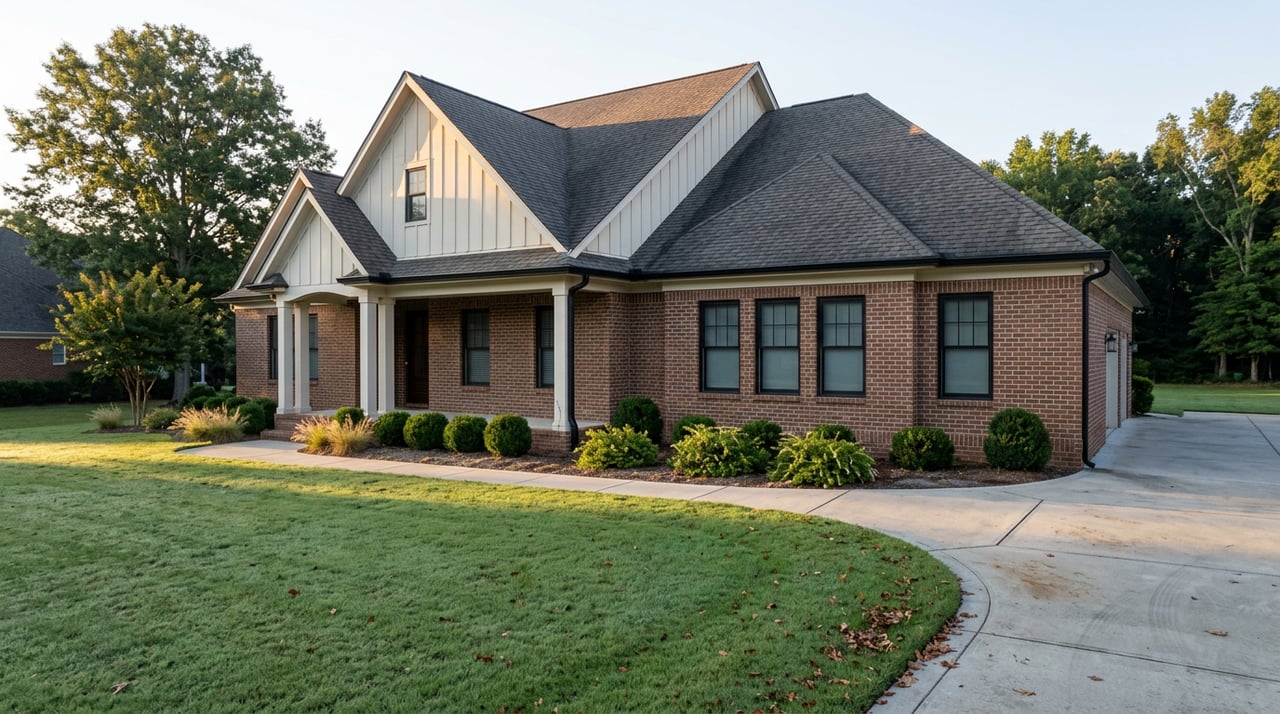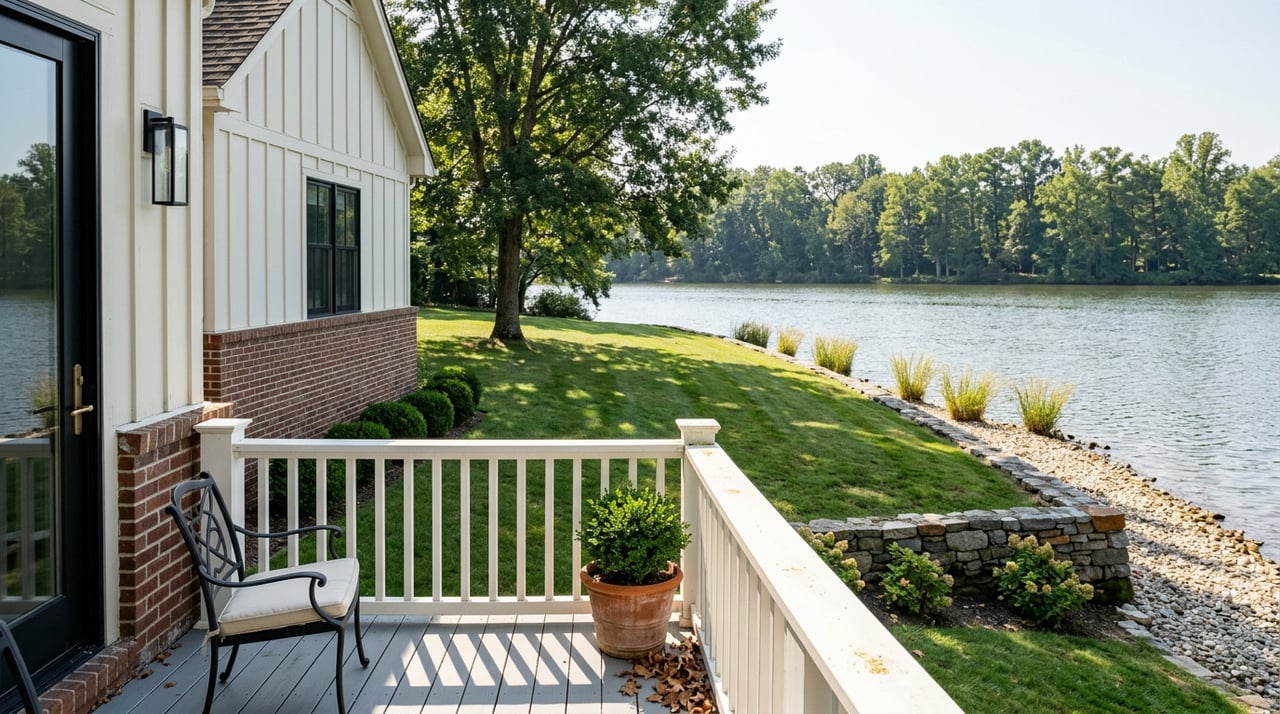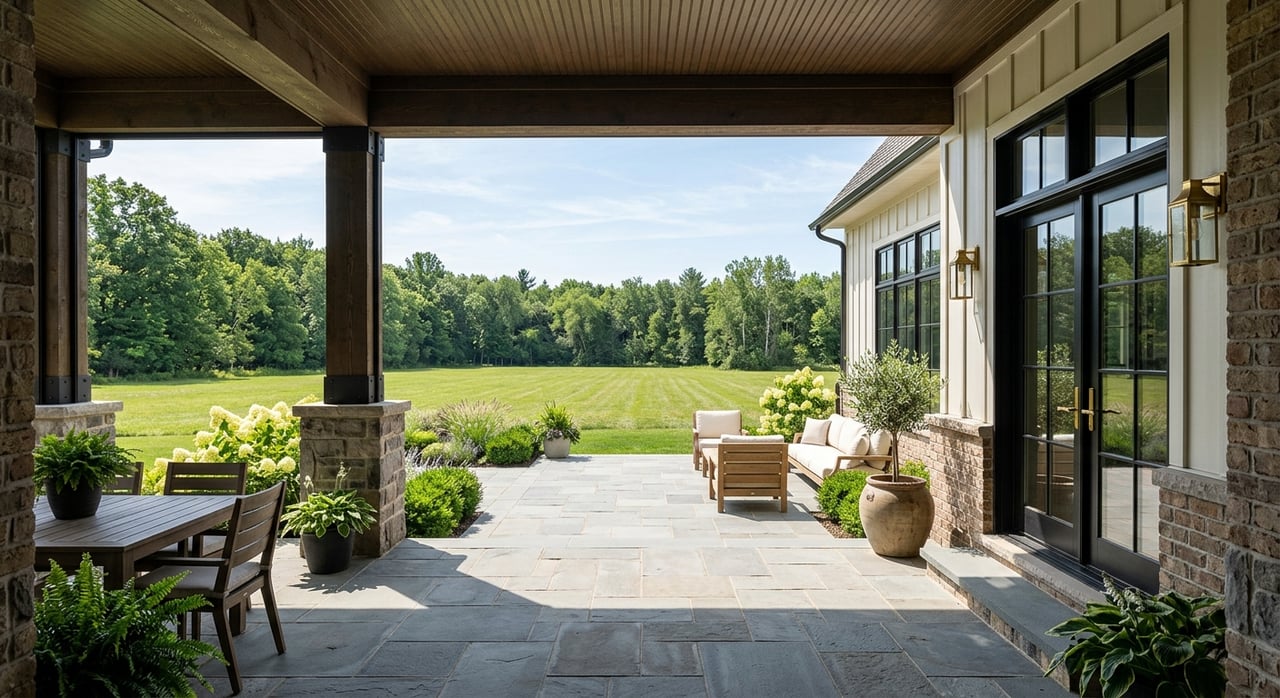
Dreaming about buying land and building a home in Stewart County? You are not alone, and it is easy to see the appeal of a quiet tract with room to spread out. But in Stewart County, the biggest mistake is assuming that a nice-looking piece of land is automatically ready for a home. If you are thinking about buying a lot here, this guide will help you focus on what really matters before you close. Let’s dive in.
Why Stewart County Is Different
In unincorporated Stewart County, the county’s official guidance says property is not subject to county zoning or county permitting. The county also does not issue occupancy letters. That can sound simple at first, but it does not mean every parcel is ready to build on.
What it really means is that your due diligence matters even more. You need to confirm whether the land can physically and legally support a home, and whether the property is actually in unincorporated Stewart County rather than inside Dover or Cumberland City, where municipal rules apply.
Start With Parcel Research
Before you fall in love with a tract, verify the parcel details. Tennessee’s TNMap Property Viewer allows you to search by owner name, property address, or parcel ID after selecting the county. It is a helpful starting point for checking basic parcel information and boundaries.
You should also plan to review public records through the Stewart County Property Assessor and the Register of Deeds offices in Dover. Those records can help you confirm deed details, tax information, and other recorded documents tied to the property.
Check City Limits First
This step is easy to overlook. A property inside Dover or Cumberland City may follow municipal requirements rather than county guidance.
That is why one of the first questions to answer is whether the land is inside or outside city limits. Do not assume a rural-looking parcel is automatically outside municipal jurisdiction.
Focus on the Real Buildability Questions
In Stewart County, the key question is usually not, “Will the county approve my house?” The more important question is, “Can this specific tract support the home I want to build?”
A smart land-buying checklist should include these items:
- Confirm legal access to the property
- Review any easements
- Read deed restrictions carefully
- Check for HOA rules if they exist
- Verify flood exposure
- Confirm septic feasibility
- Make a plan for water service
- Ask about electric service availability
Each one of these can affect whether you can build, how much it will cost, and how long the process may take.
Do Not Skip Deed Restrictions
No county zoning does not mean no restrictions. Recorded deed restrictions and HOA rules can still control what you build and how the property can be used.
That is especially important if you are considering a nontraditional build, a detached shop, or a barndominium-style home. The county may not restrict it, but the deed or subdivision documents might.
Check Flood Risk Early
Flood risk should be reviewed separately from parcel and deed research. FEMA identifies its Flood Map Service Center as the official public source for flood hazard information.
If part of the tract is in a flood hazard area, that can affect where you place the home, what site work is needed, and what future costs may look like. It is much better to learn that early rather than after you are under contract or already planning the layout.
Septic May Be the Biggest Hurdle
For many buyers in Stewart County, septic is one of the most important make-or-break issues. Tennessee Department of Environment and Conservation says anyone installing a new subsurface sewage disposal system, or repairing a faulty one, must obtain a septic construction permit.
The application includes details such as lot location, lot size, number of bedrooms and occupants, and a rough sketch showing the house site, well location, driveway, and utilities. TDEC says review generally takes about 10 days and must be completed within 45 days.
Get Septic Approval Before Dirt Work
TDEC says the septic permit should be obtained before any dirt work or construction begins, including the building pad. That timing matters because many buyers assume they can start preparing the site first and handle septic later.
On more challenging lots, TDEC may require a licensed soils consultant and an alternative system design. If the property has slope issues, soil concerns, or other site limitations, this can affect both your plans and your budget.
Accessory Buildings Still Need Planning
TDEC notes that septic systems can also serve accessory structures such as garages, shops, and barns. That makes this especially relevant if you are considering a shop house or barndominium setup.
Even if your home concept is flexible, the site still has to work for septic. That is one reason land and build planning should happen together from the start.
Plan for Water Service
If the property will use a private well, state rules come into play here too. Tennessee requires well drillers, pump installers, and water-treatment installers to be licensed.
The Tennessee Department of Health says private drinking-water quality is not regulated for private supplies, even though well construction standards are regulated by TDEC. Both agencies encourage ongoing testing, especially for bacteria.
Test Early, Not Late
TDEC notes that lenders, buyers, and real estate professionals often request septic inspection letters or water samples during a sale or mortgage transaction. That is a strong reason to start your well and septic due diligence early.
Waiting until the end can create delays when you are already trying to stay on schedule with financing, utility setup, and construction planning.
Electricity Needs Early Coordination
Electric service is another major piece of the puzzle. CEMC says it serves Stewart County, and its service information explains that state electrical inspectors handle inspections in its service area, including Stewart County.
For new service, CEMC requires identity and right-to-occupy documentation, a membership fee, a meter-set fee, and in some cases a security deposit. Depending on the property, line extensions may also involve additional charges.
Construction Power and Permanent Service
CEMC’s line-extension rules say temporary construction extensions are tied to a reasonable expectation of a permanent structure. Permanent extensions may require aid-to-construction charges.
CEMC also notes that before some extensions begin, the home must have approved wiring, water under pressure, and sanitary sewage facilities. In plain terms, that means your electric plan, septic approval, and site readiness often need to move together.
Expect an Overlapping Timeline
One of the biggest surprises for buyers is that land and build projects rarely move in a neat, step-by-step line. In Stewart County, the smoother approach is to treat the process as several workstreams happening at once.
While you identify the tract, you should also be checking access, restrictions, septic feasibility, water options, and electric service. At the same time, your lender and builder should be moving forward on their parts of the process.
Understand Financing Options
If you are building rather than buying an existing home, your financing may look different. The Consumer Financial Protection Bureau describes a construction loan as a short-term loan that funds building or rehabilitation, with advances made as construction progresses.
CFPB also notes that construction loans generally have higher interest rates than traditional purchase mortgages. Some may convert to permanent financing, while others may require a separate loan later.
Rural Loan Programs May Help
USDA says its Section 502 Guaranteed Loan Program can finance a home purchase or build in an eligible rural area through approved lenders. USDA also says applicants can check eligibility by address and that participating lenders are available for single-close construction-to-permanent loans.
If you are exploring land in Stewart County, this is one more reason to talk with your lender early. The land, the loan, and the build plan all need to fit together.
Common Mistakes to Avoid
Buying land can feel simpler than buying a house, but it often requires more investigation upfront. A few common mistakes can turn a promising tract into a frustrating project.
Here are some of the biggest ones to avoid:
- Assuming no county zoning means no restrictions at all
- Failing to verify whether the parcel is inside city limits
- Waiting too long to check septic feasibility
- Overlooking legal access or easements
- Ignoring flood risk
- Assuming electric service will be quick or inexpensive
- Starting site work before septic approval
How a Local Agent Helps
When you are buying land to build in Stewart County, local guidance can save time, money, and stress. A strong agent helps you avoid false assumptions and keeps the right questions in front of you before you close.
That includes helping you verify whether the property is in a municipality, reviewing recorded restrictions, spotting potential access or utility issues, and keeping conversations aligned with your lender and builder. When several moving parts need to come together, experienced local support matters.
If you are considering land in Stewart County and want a clear, practical plan for the next steps, reach out to Kim Weyrauch. You will get knowledgeable guidance grounded in the local market and a process built to help you move forward with confidence.
FAQs
Do you need county zoning approval to build in Stewart County?
- In unincorporated Stewart County, the county says property is not subject to county zoning or county permitting, but deed restrictions, HOA rules, and municipal rules may still apply depending on the property location.
Do you need septic approval for land in Stewart County?
- Yes. TDEC says a septic construction permit is required for a new subsurface sewage disposal system, and it should be obtained before dirt work or construction begins.
Can you use a private well on land in Stewart County?
- Yes, but Tennessee requires licensed well drillers, pump installers, and water-treatment installers, and state agencies encourage ongoing water testing, especially for bacteria.
Can you build a barndominium or shop house in Stewart County?
- Possibly, but the tract still needs to work for access, deed restrictions, septic, water, and electric service before you assume the site is ready.
What should you check before buying land in Stewart County?
- You should verify parcel details, confirm access and easements, review deed restrictions and HOA rules, check flood risk, and make sure the site can support septic, water, and electric service.
How early should you plan utilities and financing for a Stewart County build?
- As early as possible, because septic, water, electric service, builder coordination, and construction financing often move in parallel rather than one at a time.